The recruitment process can be a complex and competitive journey for job seekers. From submitting applications to negotiating offers, each stage requires careful preparation and strategy. Understanding how recruitment works, what employers look for, and how to present yourself effectively can significantly improve your chances of landing the right job. By taking a proactive approach and staying informed, candidates can navigate the hiring process with confidence and professionalism.
The first step in any job search is crafting a compelling resume and cover letter. These documents should highlight your key achievements, skills, and experiences in a concise and structured manner. Tailoring your resume to match the job description by using relevant keywords can help pass applicant tracking systems (ATS) and catch a recruiter’s attention. Additionally, a well-written cover letter that showcases your enthusiasm and suitability for the role can set you apart from other applicants.
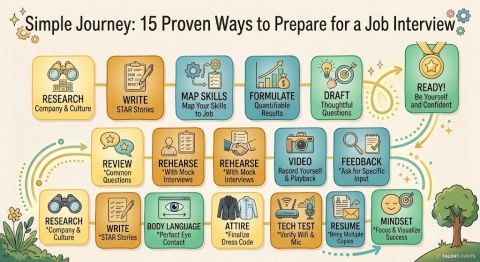
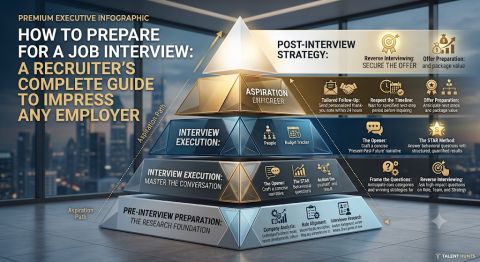
Once shortlisted, candidates typically go through multiple rounds of interviews. These may include phone screenings, technical assessments, behavioral interviews, and final discussions with senior leadership. To succeed in interviews, job seekers should research the company, practice common interview questions, and prepare examples of past experiences that demonstrate their problem-solving abilities and cultural fit. Strong communication skills and confidence in articulating your value can leave a lasting impression on hiring managers.
Negotiating salary and benefits is another critical stage of the recruitment process. Many candidates hesitate to negotiate, but it’s essential to understand your market value and advocate for fair compensation. Research industry salary benchmarks, be prepared to justify your expectations, and consider factors like work-life balance, career growth opportunities, and additional perks beyond salary. Approaching negotiations with professionalism and flexibility can help secure a mutually beneficial agreement.
Finally, once an offer is accepted, transitioning into the new role smoothly is just as important as securing the job. Maintaining professionalism during the resignation process, giving adequate notice to your current employer, and preparing for the onboarding phase can set the stage for long-term success. Building strong relationships with new colleagues and being proactive in learning about the company culture will help you integrate effectively into your new role.
By understanding each phase of the recruitment process and preparing accordingly, candidates can navigate job searches with greater confidence. A strategic approach, combined with continuous learning and adaptability, will not only help secure the right job but also foster long-term career growth and success.