Your LinkedIn profile can be an important tool in your job search. It helps recruiters and potential employers understand your professional background, skills, achievements, and career goals before they contact you.
However, simply creating a profile is not enough. To make the most of LinkedIn, job seekers should present their experience clearly, highlight relevant qualifications, and build a professional presence that reflects the opportunities they want to pursue.
These LinkedIn profile tips for job seekers will help you strengthen your profile, showcase your value, and improve your chances of being discovered by relevant recruiters.
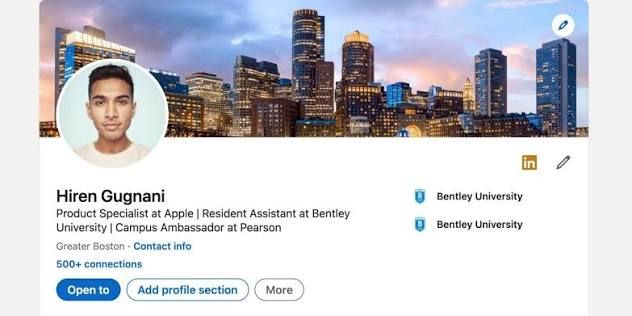
1. Choose a Professional Profile Photo
Your profile photo is often one of the first things people notice. Choose a clear, recent photograph with good lighting and a simple background. Wear attire appropriate for your industry and make sure your face is easy to see.
Avoid blurry images, group photographs, or pictures that distract from your professional presentation. You can also add a background banner that reflects your field, interests, or professional identity.
You do not need an expensive photoshoot. A well-lit photograph taken with a smartphone can work well if it looks clear and professional.
2. Write a Headline That Highlights Your Career Goals
Your LinkedIn headline appears beneath your name and helps people understand your professional focus. Instead of using only your current job title, describe your expertise, relevant skills, or target role.
For example, rather than writing “Marketing Executive,” you could use “Digital Marketing Executive | SEO, Content Strategy and Organic Growth.”
If you are a recent graduate or changing careers, emphasize transferable skills and your intended direction. A headline such as “Business Graduate | Data Analysis, Market Research and Business Development” gives recruiters more context.
Include relevant job titles and skills naturally, without stuffing your headline with keywords that do not reflect your actual experience.
3. Create a Compelling About Section
The About section is your opportunity to tell your professional story. Use it to explain what you do, what you are good at, what you have achieved, and what interests you about your field.
A strong summary should be concise, easy to read, and relevant to your career goals. Consider including:
Your professional background or area of interest.
Your strongest skills and areas of expertise.
One or two notable achievements or projects.
The type of work or opportunities you want to pursue.
For example, a recent graduate might describe relevant coursework, internships, volunteer work, and projects rather than focusing on a lack of full-time experience.
Write naturally in the first person. Avoid generic statements such as “I am a hardworking and motivated individual” unless you support them with specific examples.
4. Highlight Achievements in Your Work Experience
Your Experience section should show not only where you have worked but also the value you contributed.
For each position, briefly explain your responsibilities and highlight meaningful results. Where possible, use measurable outcomes to provide context.
For example, instead of writing “Responsible for social media management,” consider “Managed weekly social media content and improved audience engagement through a consistent publishing schedule.”
Use bullet points to make each role easier to scan. Include relevant internships, freelance projects, and volunteer experience when they demonstrate skills related to your target position.
Make sure your job titles, employment dates, and responsibilities are accurate and consistent with your CV.
5. Add Relevant Skills and Keywords
Recruiters may search for candidates based on job titles, skills, and professional experience. Including relevant terms in your profile can help communicate your suitability for a role.
Review job descriptions for positions you want and identify recurring skills or qualifications. Add those that genuinely match your capabilities to your Skills section and incorporate them naturally into your headline, About section, and Experience section.
For example, an applicant pursuing a data analyst position might highlight Excel, SQL, data visualization, reporting, and analytical thinking if they have those skills.
Ask colleagues or supervisors to endorse skills they have directly observed. Endorsements can provide additional context, but they should support rather than replace evidence of your abilities.
6. Showcase Certifications, Education, and Projects
Your LinkedIn profile should provide a fuller picture of your qualifications, especially if you are early in your career or moving into a new field.
Include your education, relevant certifications, professional courses, and projects. You can also use the Featured section to showcase work samples, presentations, portfolio links, or other professional achievements.
For instance, a graphic designer could feature selected design projects, while a recent graduate interested in business analysis could highlight a research project or data dashboard.
Choose examples that demonstrate skills relevant to the roles you want. A few strong, relevant examples are often more useful than a long list of unrelated activities.
7. Request Recommendations and Build Your Network
Recommendations can strengthen your profile by providing perspectives from people who have worked with you. Consider asking former managers, colleagues, clients, lecturers, or project collaborators who can speak specifically about your contributions.
A useful recommendation describes the person's working relationship with you and gives examples of your strengths or performance.
Networking is equally important. Connect with professionals in your industry, recruiters, alumni, and people working in organizations that interest you. Personalize connection requests when appropriate and explain why you would like to connect.
Focus on building genuine professional relationships rather than collecting connections solely to increase your network size.
8. Stay Active and Keep Your Profile Updated
A strong profile is not a one-time project. Update it when you gain new skills, complete a certification, change roles, or finish a significant project.
You can also strengthen your professional presence by sharing relevant industry articles, discussing lessons learned from projects, and commenting thoughtfully on posts related to your field.
If you are actively searching for work, review LinkedIn's job preferences and Open to Work settings. Choose the visibility option that suits your circumstances, and keep your preferred roles and locations accurate.
Regular activity can help you maintain professional connections and communicate your interests. However, prioritize meaningful contributions over posting frequently without a clear purpose.
Make LinkedIn Part of Your Job Search Strategy
Optimizing your LinkedIn profile is one part of a broader job search strategy. A clear headline, compelling summary, relevant skills, and evidence of your achievements can help recruiters understand your professional value.
Combine these improvements with targeted applications, thoughtful networking, and continued professional development. Most importantly, keep your profile accurate and tailor it to the types of opportunities you want.
At Talent Hunts Indonesia, we understand that presenting your experience effectively can be an important part of career development. Explore our job search opportunities and take the next step toward your professional goals.